
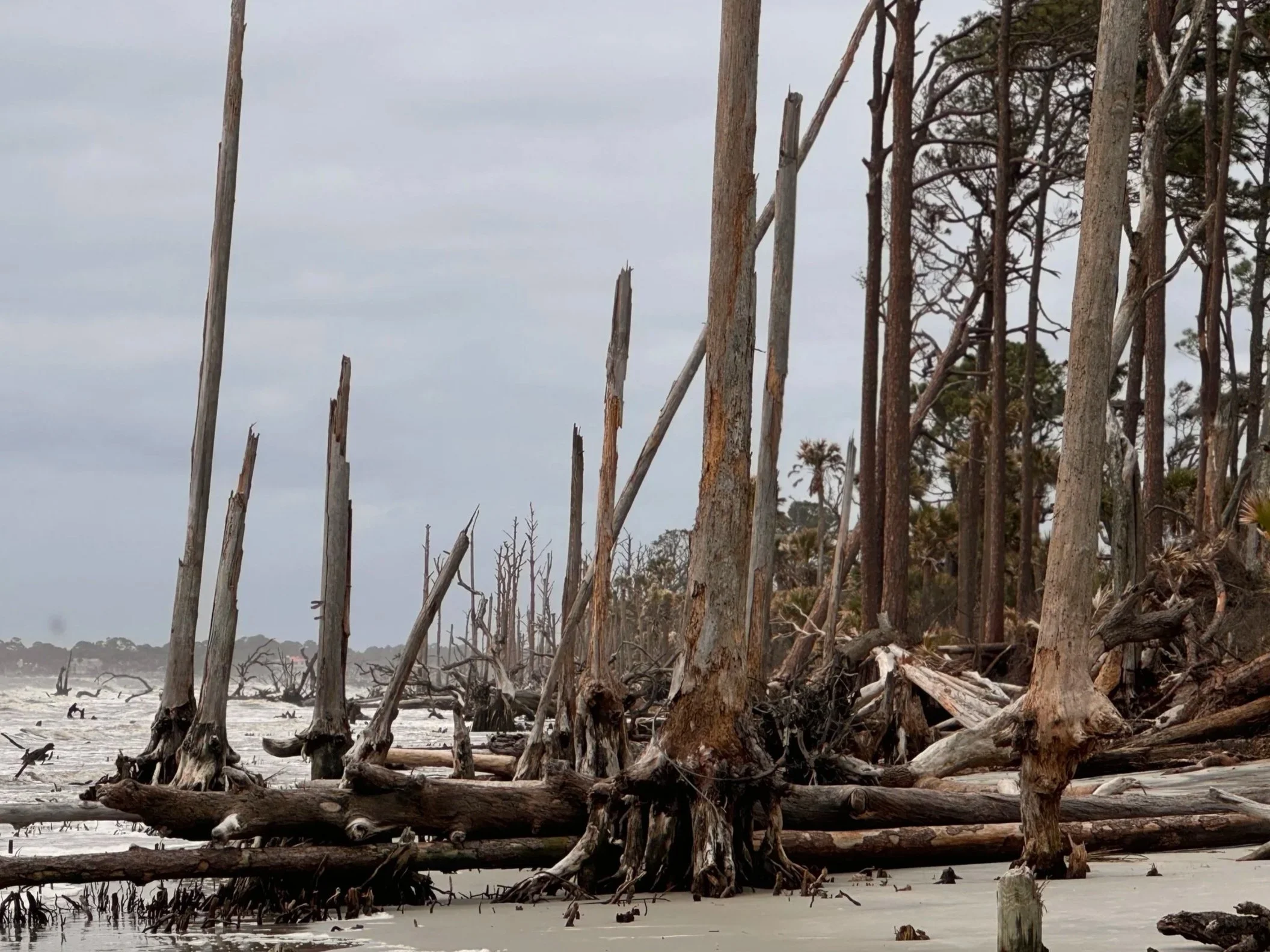
Scar Tissue
Scars tell stories.
There is a faded white scar across my right knee from a childhood bicycle crash. It hurt a lot at the time. It was a deep wound that was embedded with debris and gravel.
The scary and humiliating moment of careening downhill, losing control, and wiping out in front of the other kids appears in my mind’s eye whenever I see this scar. I also remember my cousins supporting me as I limped away and my grandmother lovingly cleaning and bandaging me up.
I was fortunate enough to be with folks who saw an emotional wound that needed tending as well. That evening as we sat in lawn chairs around the campfire, my relatives shared their own stories of childhood foibles, wipe-outs, bike crashes– revealing their own scar tissue to me.
Perhaps the most important part of this story is the way that my invisible wounds were tended to. I heard certain themes reverberating through their stories which– always ended into laughter. “You are not alone.” “It happened to me too.” “I have a similar story.” “I survived and so will you.” Years later, I still think about how healing began not when the wound closed, but when others shared their own stories with me.
Lately, Scar Tissue, a 1990’s song by the Red Hot Chilli Peppers has received a lot of air time. In the song, Anthony Keidis sings a simple but haunting line: “Scar tissue that I wish you saw.”
In his biography titled, Scar Tissue, Kiedis gets really vulnerable with his readers. He tells of a careless, exciting, tragic, heartbreaking, exhilarating life of purpose and survival. He gets real about his struggles with addiction, rehab, relapses, and sobriety.
Throughout his harrowing story, he tells about the many people who helped, encouraged, enabled, intervened, rescued, believed, restored his faith in himself– and reminded him of his purpose. His people saw his scar tissue and were there for him.
Now he’s there for others. A huge part of his sobriety is service to other addicts. He knows the story well and his presence with them conveys it. “You are not alone.” “It happened to me too.” “I have a similar story.” “I survived and so will you.”
Perhaps healing begins when someone is willing to see our scar tissue–and share a little of their own.
What changes when our scars become stories?
The reflection was inspired in part by “Scar Tissue” by the Red Hot Chili Peppers